
Reviewed · PHUKET ELEPHANT SANCTUARY TOURS
Phuket: Eco Guided Tour at Elephant Sanctuary
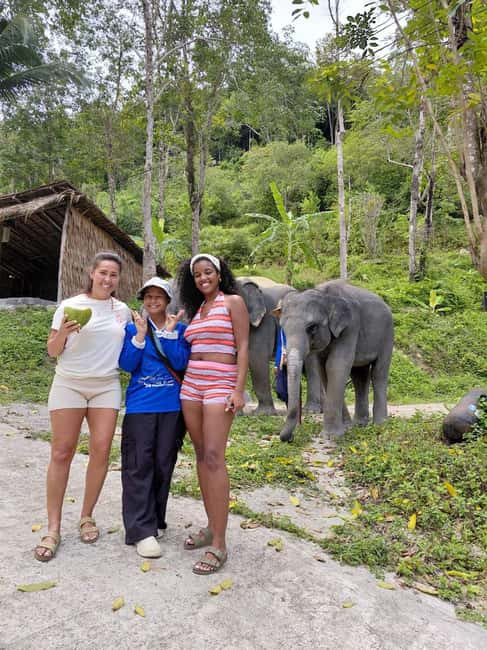
Phuket’s Hill Tribe Elephant Village keeps the focus where it belongs: on the elephants, not on staged tricks. You’ll learn how captive elephants differ from wild ones, prepare herbal vitamin balls, and feed the animals without forced bathing or mud play.
I like the hands-on care lesson, which gives you a useful reason for the visit beyond taking photos. I also like the respect shown to the elephants’ choices, with no forced performances or made-to-order splashing. The main drawback is the short format: 30 minutes gives you a clear introduction, not a full morning at a sanctuary.
Key points to know before you book
- Prepare herbal vitamin balls from natural ingredients intended to support elephant digestion and health.
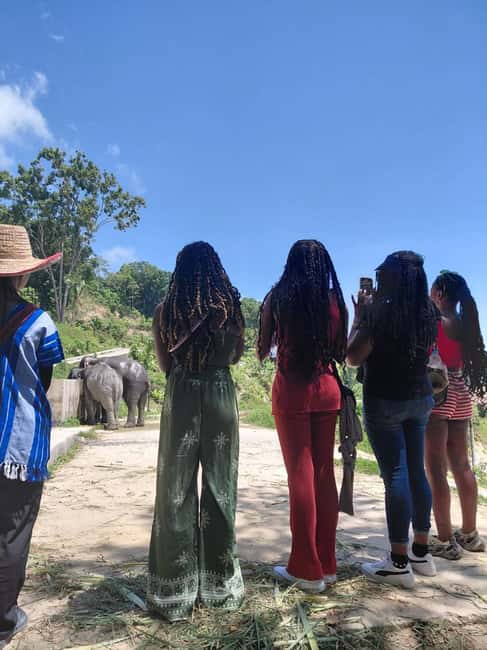
- Feed the elephants by hand after learning how their mahouts care for them each day.
- No forced bathing or mud play means the elephants are not pushed into tourist-friendly activities.
- Learn about Mae Wang traditions carried on by hill tribe families now living in Patong, Phuket.
- Budget $32 per person for the activity, with round-trip transfers available only when that option is selected.
- Plan for walking outdoors, comfortable shoes, sun protection, insect repellent, and quiet behavior around the elephants.
A short visit with a clear purpose
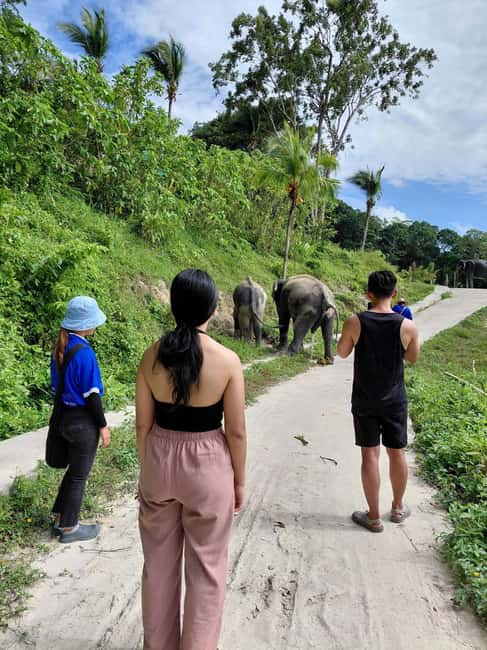
This experience is built around a simple idea: meeting elephants should help you understand their care. Rather than promising a long list of animal encounters, the program gives you a compact lesson, a food-preparation activity, and time to feed the elephants.
That approach suits you if your Phuket schedule is tight but you still want an encounter with some substance. You get a better sense of the work behind elephant care, including the role of the mahout, instead of simply arriving for a photo stop.
The session itself lasts 30 minutes. That is short, so you should set your expectations correctly. You will not have time for an extended sanctuary visit, a meal, or a broad program of activities. Think of it as a focused introduction that can fit between other plans.
The listed price is $32 per person. I consider that fair if you value the guide’s explanation and the herbal food activity, not just the few minutes of feeding. If you want a long visit with extensive walking, observation, and several care activities, you may find the short duration limiting.
More elephant sanctuary visits in Phuket:
- Phuket: Elephant Jungle Sanctuary Ethical Feeding Experience
★ 4.8 · 4,359 reviews - Phuket: Elephant Sanctuary Guided Tour with Hotel Transfers
★ 4.8 · 2,020 reviews - A Morning with the Elephants at Phuket Elephant Sanctuary
★ 5.0 · 1,693 reviews
Meeting the Hill Tribe elephant caretakers
The first part introduces the elephants and the people who care for them. Your guide explains their daily routines, while the mahouts provide the practical connection between people and animals.
The program also tells the story of hill tribe families from Mae Wang in Chiang Mai who settled in Patong and continued their traditional elephant care practices. That detail gives the visit a local human side. You are not only hearing general facts about elephants; you are also learning how a family tradition has moved from northern Thailand to Phuket.
The word mahout refers to an elephant caretaker. Here, the mahout’s job is not presented as a stage performance. It involves feeding, watching, and caring for the animals, along with understanding their behavior. That relationship is one of the most useful things to pay attention to during the visit.
You’ll hear about the difference between captive and wild elephants. The distinction matters. A captive elephant depends on people for food, medical attention, and daily care, while a wild elephant makes its own choices about movement, feeding, and social life. The guide’s explanation helps you see why a responsible sanctuary avoids treating an elephant like a large, friendly pet.
Why the no-bathing rule matters
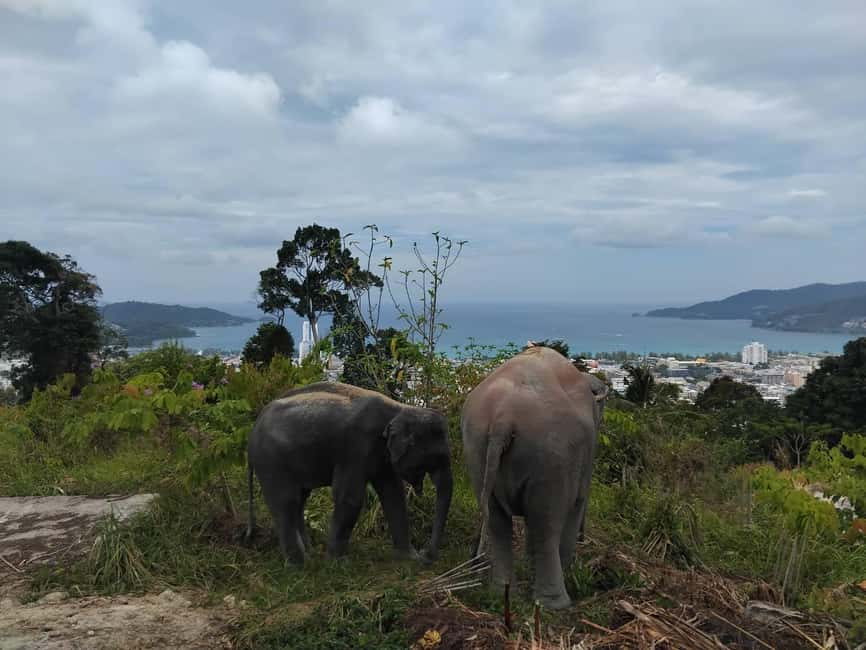
Many elephant activities in Thailand are built around bathing, mud play, or close contact on a fixed schedule. This village takes a different path. It does not allow forced bathing or mud play.
That policy may sound like a small detail, but it changes the tone of the visit. The elephants are not required to perform a fun scene because a group has arrived. Instead, you meet them in a setting where their normal behavior has greater priority.
You should still expect a close encounter. The program allows you to walk through the sanctuary and feed the elephants, but forced interaction is not allowed. That means you need to follow the guide’s instructions, keep your voice low, and accept that the elephant’s response may be brief or unpredictable.
This is a good place to put your camera away for a moment. Watch how the elephant approaches the food, how the mahout guides the contact, and how the animal behaves when the treat is gone. Those small observations often tell you more than a staged bathing session.
Flash photography is not permitted. You can bring a camera, but turn off the flash and avoid using it in a way that disturbs the animals.
Making herbal vitamin balls by hand
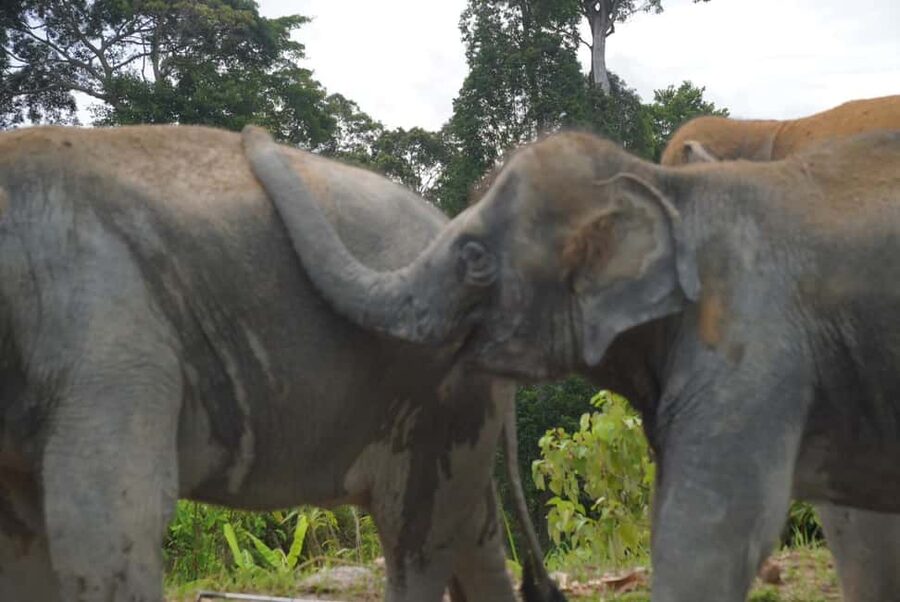
The most distinctive activity is the herbal food preparation. You help make herbal vitamin balls from natural ingredients, which are intended to support digestion and general health.
This part gives the visit a practical rhythm. You are not simply handed a basket of fruit and told to feed an elephant. You first learn that food is part of animal care, then take part in preparing a treat before meeting the elephants.
The session also makes the feeding more meaningful for children and adults. You can see that an elephant’s diet is not just a matter of offering any snack within reach. The guide shares information about nutrition, care, and the bond between elephant and mahout.
Keep in mind that this is a brief activity. The information provided does not specify the exact ingredients or the number of vitamin balls each person prepares. You can expect a supervised, hands-on preparation session, but not a full cooking class or a detailed veterinary workshop.
After making the treats, you take them to the elephants. This is the point when the earlier explanation becomes practical. You have something you helped prepare, and you can watch the elephant eat it under the mahout’s direction.
A few more Phuket trips worth comparing
- Phuket: Guided Tour of Phuket City with Hotel Transfers
★ 4.7 · 2,527 reviews - Phuket: Wat Chalong, Viewpoint, and Old Town Guided Tour
★ 4.5 · 1,875 reviews - Phuket: Guided Tour to Elephant Sanctuary & Hotel Transfer
★ 4.8 · 292 reviews - Amazing Guided Tour of Phuket Island Plus Big Buddha
★ 4.5 · 288 reviews
Feeding elephants in a natural setting
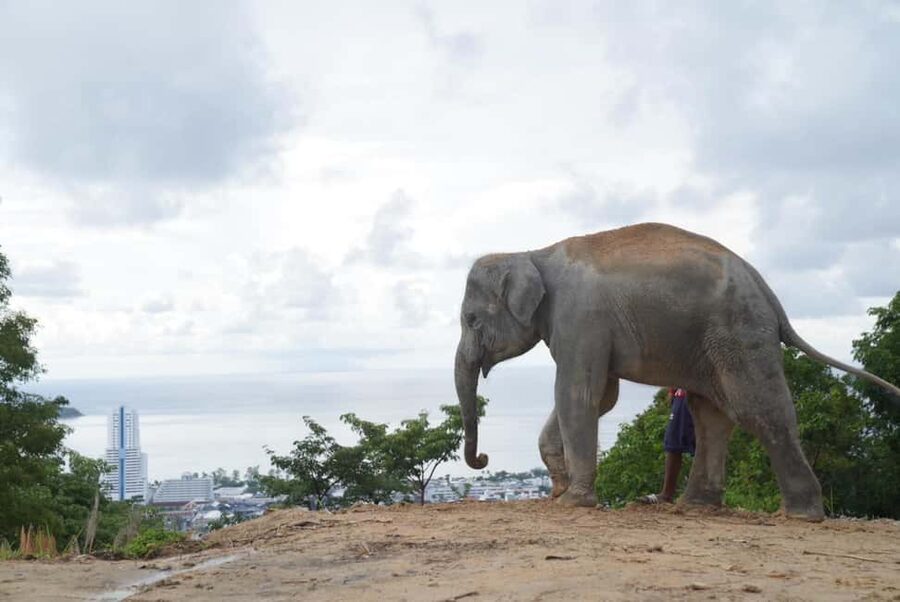
Feeding is likely to be the most memorable part of the visit. You walk through the sanctuary to meet the elephants and offer your handmade treats.
The setting is described as natural, but you should not read that as a promise of a remote wilderness experience. The village is in Phuket, near Patong, and the program is designed for a short guided visit. The value comes from the way the animals are treated and the information you receive, not from expecting a huge open reserve.
Your guide and the mahouts explain how to behave around the elephants. Stay quiet, move carefully, and do not try to force contact. The rules protect both you and the animals.
You may have a better experience if you treat feeding as observation rather than a photo opportunity. Notice the elephant’s movements and its reaction to the food. Let the mahout manage the interaction. If an elephant does not want to come close, that is part of the ethical approach, not a failure of the program.
The emphasis on natural behavior is especially useful for parents deciding how to introduce children to elephant tourism. Young visitors can learn that a large animal is not there to entertain them on demand. They can take part, but they also need to respect limits.
What the 30-minute schedule really means
A 30-minute activity can work well in Phuket because it is easy to add to a wider day, but the short time requires a little planning. The core guided session includes the introduction, herbal preparation, feeding, and care information.
The listed route includes a van transfer of 30 minutes and drop-off options around Phuket. The exact pickup point depends on the option you select. Round-trip transfers are included only when you choose the transfer option, so check that detail before paying.
Drop-off locations include Kata Beach, Bang Tao Beach, Ao Po Pier, Laem Hin Lagoon Pier with the Village Coconut Island ferry crossing, Karon Beach, Rawai Beach, Panwa Beach, Hill Tribe Elephant Village, and Phuket. This spread makes the experience easier to fit into a beach holiday, but transfer times can affect how much of your day it uses.
Do not book it as if the entire outing takes only 30 minutes from hotel to hotel. The guided activity is 30 minutes, and the van segment is also listed as 30 minutes. Your total time will depend on pickup, traffic, and the transfer option.
There is no meal included. Bring water, or use the drinking water provided and carry a reused bottle as requested. Since the activity takes place outdoors, sunscreen, a hat, insect repellent, and comfortable walking shoes are sensible choices.
The guide and the feel of the visit
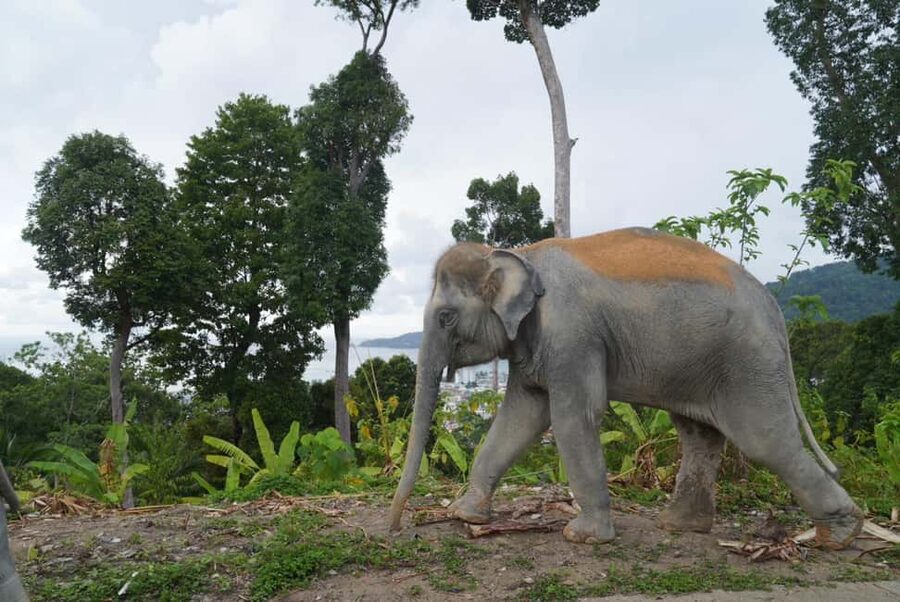
The experience is conducted in English with a live guide. Guide Mayya has been singled out for bringing a fun personality to the visit, which matters during a short program. A friendly guide can make the explanations feel less like a lecture and help you feel at ease around the elephants.
Still, guide availability can vary by departure. You should treat Mayya as a possible guide, not a guaranteed one, unless your booking confirms it.
The strongest praise for this experience centers on the warm guidance and the chance to learn about both elephants and their caretakers. That matches the design of the program. The activity does not rely on a long list of attractions. It succeeds when the guide explains clearly and the encounter feels calm and respectful.
The rating is 4.8 from 13 reviews, which suggests a strong response but is still a small sample. I would give more weight to the specific features you can judge in advance: the short duration, the no-forced-interaction policy, the food-preparation activity, and the available transfer options.
Who should book this elephant experience
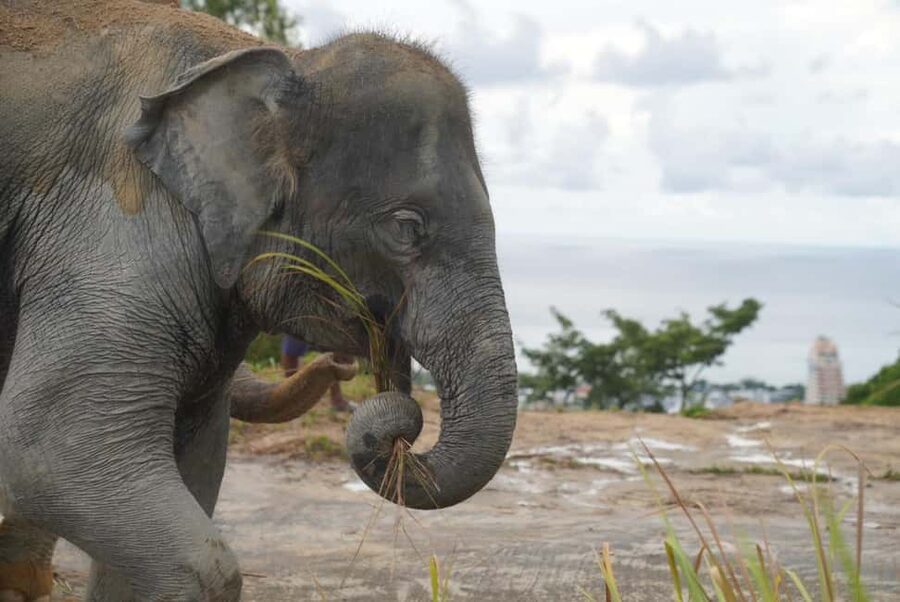
I would recommend it to you if you want:
- A short elephant encounter near Phuket’s main resort areas
- A basic introduction to mahout care and elephant behavior
- A hands-on activity rather than feeding alone
- An experience that avoids forced bathing and mud play
- A program that can fit into a busy Phuket itinerary
- An English-speaking guide and optional round-trip transport
It may suit families, couples, and first-time visitors who want a clear introduction without committing to a full-day excursion. The herbal food activity gives children something purposeful to do, though adults should make sure everyone follows the quiet-behavior rules.
I would hesitate if you want a long sanctuary visit or extensive time watching elephants at a distance. The 30-minute format is the central limitation. You may also want to ask for more details before booking if you have strong mobility needs, allergies, or concerns about the feeding ingredients.
There is an important accessibility point to clarify. The activity is listed as wheelchair accessible, but it is also marked as unsuitable for people with mobility impairments. Those statements do not give enough detail about the walking route, feeding position, or ground conditions. Contact the provider before booking if this affects you.
The experience is also marked as unsuitable for pregnant women and people with animal allergies. Do not ignore those restrictions simply because the visit is short.
Booking value and practical flexibility
At $32, this is not the cheapest possible way to see an elephant in Phuket, but price alone misses the point. You are paying for a guided introduction, food preparation, feeding, and an approach that avoids forced bathing and performances.
The value is strongest when you care about how the animals are treated. If you only want a quick photograph with an elephant, this program may offer more explanation than you need. If you want to understand the care routine and meet the elephants in a controlled, respectful way, the cost is easier to justify.
You can cancel up to 24 hours ahead for a full refund, and the reserve-now-pay-later option keeps you from paying immediately. Those policies are useful when your Phuket plans depend on weather, transport, or changing beach days.
You should receive the meeting point details after booking. Since pickup depends on your selected option, check the confirmation carefully rather than assuming a hotel pickup is included.
Should you book Hill Tribe Elephant Village?
Book this tour if you want a short, educational elephant encounter with a hands-on food activity and no forced bathing or mud play. The focus on natural behavior and mahout care gives it more purpose than a simple animal photo stop.
Skip it if you want several hours at a sanctuary, a meal, or a broad range of activities. The program is brief, and its success depends on your willingness to listen, move calmly, and let the elephants set the pace.
For many visitors, the best reason to choose it is simple: you get to feed the elephants while learning why responsible care means not forcing them to entertain you. That is a useful lesson, and it fits neatly into a Phuket day.
FAQ
How long does the guided elephant activity last?
The guided activity lasts 30 minutes. The listed itinerary also includes a 30-minute van segment, while total travel time depends on your pickup and drop-off arrangements.
How much does the experience cost?
The listed price is $32 per person.
Are round-trip transfers included?
Round-trip transfers are included if you select the transfer option. The starting location depends on the option chosen, and meeting point details are provided after booking.
Can I bathe or play in the mud with the elephants?
No. The sanctuary does not allow forced bathing or mud play with the elephants.
What activities are included?
You can prepare herbal food for the elephants, feed them, learn about their care and mahouts, and receive drinking water. Meals are not included.
Is the experience conducted in English?
Yes. The activity includes a live English-speaking guide.
What should I bring?
Bring comfortable walking shoes, a hat, sunscreen, insect repellent, and a camera if you wish. Flash photography is not allowed, and you are asked to bring a reused bottle for water.
Newest Phuket trips reviewed
- Zipline 18 Platforms and ATV Adventure Tour From Phuket★ 4.5 · 20 reviews
- Zipline and ATV Skyline Adventure Phuket Include Pickup Transfer★ 5.0 · 11 reviews
- White Water Rafting with Monkey Cave Experience from Phuket★ 3.0 · 3 reviews
- Phuket: Wow Andaman Snorkeling Trip to Phi Phi & Bamboo Islands★ 4.5 · 15 reviews
- Phuket City Tour: Karon View, Big Buddha & Wat Chalong (SHA Plus)★ 3.5 · 3 reviews
- Phuket VIP Hype Luxury Boat Cruise with Party & DJ Vibes★ 3.5 · 3 reviews
- VIP Private Boat to Phi Phi Island: Snorkeling + Land Tour★ 5.0 · 9 reviews
- Try Scuba Diving★ 5.0 · 11 reviews
Phuket Elephant Sanctuary Tours, compared.
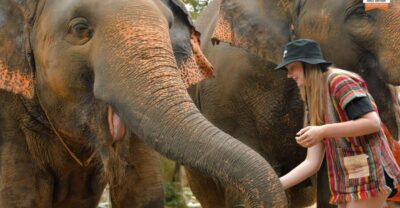
Elephant Jungle Sanctuary Ethical Feeding Experience
Read our review →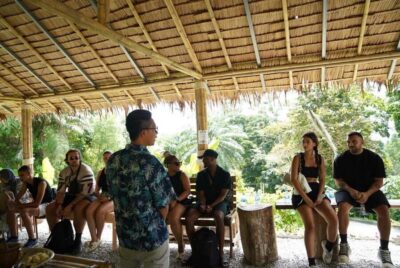
Elephant Sanctuary Guided Tour with Hotel Transfers
Read our review →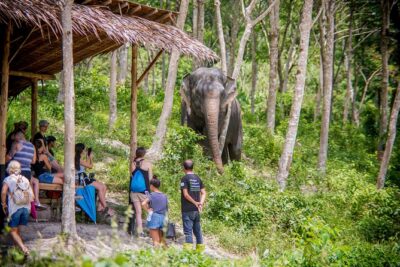
A Morning with the Elephants at Phuket Elephant Sanctuary
Read our review →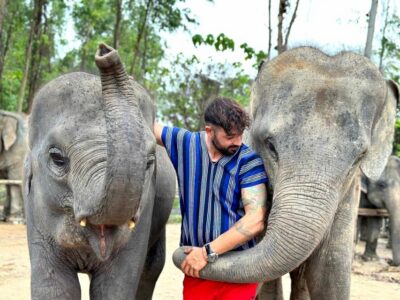
Elephant Experience with Lunch or Dinner and Pickup
Read our review →
Elephant Jungle Sanctuary Feed and Shower Trip
Read our review →
Beach walk with elephants, rain & care. 2.5 hours
Read our review →
Bukit Elephant Park Sanctuary Walk and Feed Tour
Read our review →
Browse the lists this tour appears in