
Reviewed · PHUKET ELEPHANT SANCTUARY TOURS
Phuket Elephant Nature Reserve Ethical Sanctuary
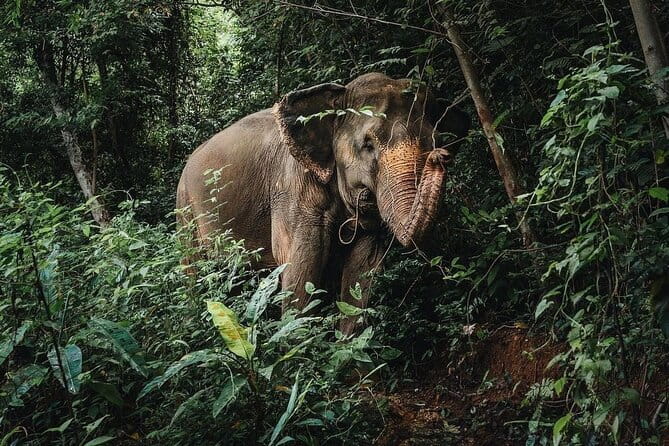
At Phuket Elephant Nature Reserve, the elephants set the rules. They roam through jungle areas and gather at natural ponds while you watch from a respectful distance. There is no riding, bathing, touching, or hand feeding. That hands-off policy is the most important thing to understand before you book.
I like the chance to prepare vitamin balls with the mahouts, and I like that your visit supports a sanctuary built around rescued elephants rather than tourist tricks. The Thai cooking session and lunch add real value to the half-day visit. The drawback is simple: if you want a photo of yourself hugging or bathing an elephant, this is not your place.
Key points to know before booking
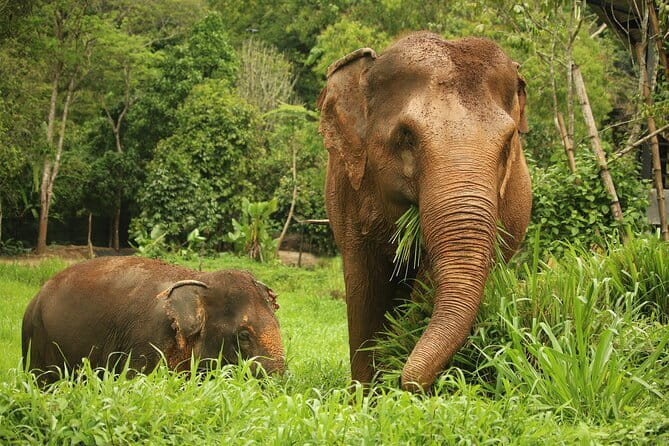
- Elephants roam freely: You observe them in jungle areas and around natural water ponds instead of directing their movements.
- No direct contact: Touching, bathing, and hand feeding are not allowed, though you help prepare food for the elephants.
- The half-day option includes cooking: You prepare a Thai dish, then eat the lunch you helped make.
- You learn the less glamorous side of elephant care: The dung recycling center shows how waste is put to practical use.
- Guides add the meaning: Guides associated with the experience include Tom, Steve, and Dong, with the program built around elephant welfare and education.
- Budget for heat and transport: The price is $39.11 per person, but transportation is not included, and Phuket’s heat can make a long visit feel tiring.
Why the hands-off approach matters
Thailand has a long connection with elephants, but tourism has often come at a cost. Riding, forced bathing, and staged handling can require harsh training and constant control. Phuket Elephant Nature Reserve takes the opposite route: the elephants are allowed to behave as elephants, while you watch.
That means the experience is quieter than a standard animal encounter. You do not get to command an elephant to pose. You do not feed fruit directly from your palm. You do not climb onto a broad gray back for a photograph.
Instead, you may see an elephant wander through the trees, pause at a pond, eat food prepared by the care team, or simply ignore the group. That last part is important. A sanctuary visit should not be judged only by how much contact you get. Here, the absence of forced contact is part of the point.
I appreciate that the rules are clear. You can still get close enough to observe the animals and take photographs, but the elephants’ comfort comes first. For families, this creates a useful lesson: children see that caring for animals does not always mean touching them.
More elephant sanctuary visits in Phuket:
- Phuket: Elephant Jungle Sanctuary Ethical Feeding Experience
★ 4.8 · 4,359 reviews - Phuket: Elephant Sanctuary Guided Tour with Hotel Transfers
★ 4.8 · 2,020 reviews - A Morning with the Elephants at Phuket Elephant Sanctuary
★ 5.0 · 1,693 reviews
What happens during the roughly three-and-a-half-hour visit
The half-day program begins with an introduction and briefing. This is where you learn how the sanctuary operates, how to behave near the elephants, and why the reserve avoids bathing, riding, and direct handling.
Pay attention here. The briefing explains the difference between a photo opportunity designed for people and a sanctuary designed around animals. You will get more from the visit if you arrive ready to observe rather than expecting a performance.
The program then moves into food preparation. With the mahouts, you help prepare vitamin balls and other food for the elephants. You may also chop fruit or help with other basic preparation tasks. The work is hands-on for you, but the feeding remains hands-off for the elephants. Food is made available to them without encouraging direct hand feeding.
That small distinction matters. It lets you take part without turning the elephant into a prop. You still see the animals respond to food, but you are not asking them to approach you on command.
The observation portion takes you toward the jungle areas and natural water ponds. These are the most rewarding parts for anyone who wants to see normal elephant behavior. You might watch an elephant move through the greenery, drink, pause near the water, or interact with the surroundings at its own pace.
The exact animal activity will depend on the day, the weather, and the elephants’ mood. This is not a scripted animal show. If an elephant wanders away, that is a sign that the sanctuary is honoring its freedom, not that the visit has failed.
The program also includes elephant education. You learn about the rescued animals, their care, and the wider problem of exploitation in elephant tourism. The guides are central to this part. Names connected with the experience include Tom, Steve, and Dong, and guide quality has been a major part of the strong response to the program.
Finally, the visit includes the elephant dung recycling center and a Thai cooking session. The order can vary, but the full experience combines animal observation, conservation education, food preparation, and lunch.
The elephant dung recycling center is worth your time
Dung recycling may sound like a small side attraction. It is not. Caring for elephants produces a great deal of waste, and a responsible sanctuary must think about what happens after the elephants have eaten.
At the recycling center, you learn how elephant dung is reused instead of simply discarded. The lesson connects daily sanctuary work with practical environmental care. It also gives you a more honest picture of running an elephant reserve. There are no rose-colored filters here. Animal welfare involves food, land, medical care, cleaning, and waste management.
I like this part because it moves beyond the usual elephant photograph. You leave with a better sense of the work behind the scenes and the costs involved in keeping rescued animals healthy.
Thai cooking and lunch make the half-day option worthwhile
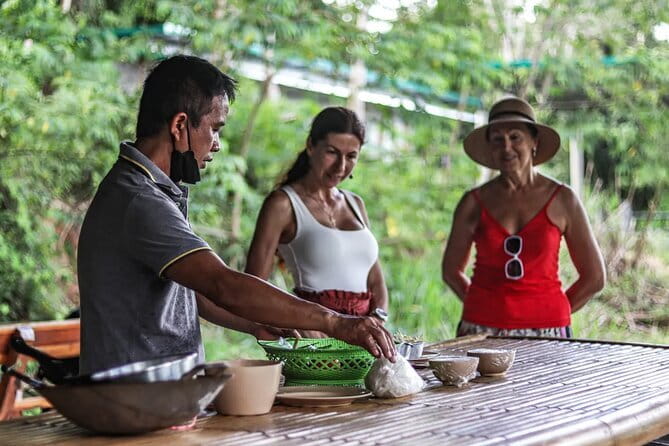
The Thai cooking class is one of the clearest reasons to choose the half-day program instead of a shorter visit. You watch a cooking demonstration, help prepare the meal, and eat what you have made.
The food has been described as very good, and the cooking session gives the outing a useful second focus. You are not spending the entire time waiting for elephants to appear or trying to predict what they will do next. You get a cultural activity that fits naturally into a visit to Thailand.
For me, the cooking class also helps justify the extra time and cost. A 90-minute elephant observation may be enough for visitors who are short on time or concerned about Phuket’s heat. The half-day program is better if you want a fuller experience with food, conservation, and elephant care all included.
The tradeoff is stamina. Phuket can be hot and humid, and a long outdoor program may feel tiring, especially in the middle of the day. Wear light clothing, use sun protection, and bring a refillable water bottle. Water is provided, and the reserve has a water refill station, but your own bottle is not included.
More national park trips from Phuket:
- Phuket: Elephant Nature Reserve Entry Ticket and Guided Tour
★ 4.9 · 223 reviews - Exploring Phang Nga Bay national park with Lunch and Dinner
★ 5.0 · 48 reviews - Khao Sok National Park & Samet Nangshe Private Tour from Phuket
★ 4.5 · 23 reviews - Phuket Jungle Trekking Experience at Khao Phra Taew National Park
★ 5.0 · 15 reviews
What makes this different from an elephant bathing experience
Many elephant attractions advertise bathing, feeding, or close contact as their main selling point. This reserve asks you to accept a different idea of a good encounter.
Here, the elephants do not bathe with you. You do not touch them. You do not hand them food. You watch them from a safe distance while the care team follows their movements and manages their needs.
That can feel less exciting for a few minutes if you are used to activity-packed tours. It can also feel much more genuine. An elephant standing quietly in a pond or walking through the trees does not need a trick to be interesting.
The experience works especially well for people who have already decided that animal welfare matters more than a personal photograph. It also suits parents who want to explain ethical tourism to children. Children can still help make elephant food, see the animals up close, and take pictures. They simply learn that affection is not an excuse to invade an animal’s space.
Is $39.11 a fair price?

At $39.11 per person, the experience is reasonably priced for a 3.5-hour program that includes a guide, water, insurance, elephant education, food preparation, the dung recycling center, a Thai cooking class, and lunch.
The value is strongest if you choose the full half-day program. A short visit may suit someone who only wants to observe elephants, but the cooking class and meal add substance. You are paying not just for time near the animals, but also for an educational program that supports the sanctuary’s operating work.
Transportation is not included, so calculate that separately. This matters in Phuket, where the cost and time of getting around can vary depending on where you are staying. The reserve is near public transportation, but you will need to arrange your own way there.
The sanctuary also has clean bathrooms and a gift shop. Those are small details, but they make a difference during a warm outdoor visit. The site has been described as clean and well organized, which is reassuring when you are spending several hours there.
Heat, clothing, and practical preparation
Comfortable shoes are essential. You will be moving through an outdoor sanctuary, and sandals may not be your best choice if paths are uneven or damp.
Bring a hat and sunglasses. Sun protection is not included, and the tropical heat can be strong. A refillable water bottle is also useful because you can use the reserve’s water refill station.
You receive a mobile ticket and confirmation at booking. Service animals are allowed, and most people can participate. The program is also near public transportation, but transport itself is not part of the admission.
Rain does not necessarily ruin the visit. In fact, wet weather may bring more activity from the elephants, who can become livelier in the rain. Still, you should dress for Phuket’s changing conditions and accept that part of the experience takes place outdoors.
Free cancellation is available if you cancel at least 24 hours before the scheduled start time. Cancellations or changes made inside that 24-hour window are not accepted for a refund.
Is this a good choice for families?

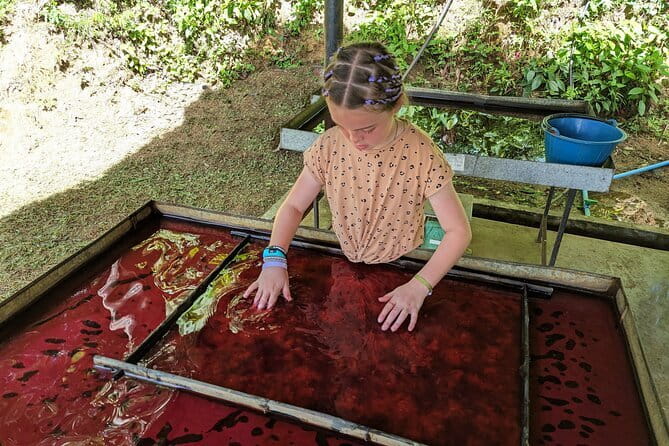
Yes, especially for families who want an educational outing rather than a staged show. Children can help prepare elephant food, learn why direct contact is restricted, and see elephants moving through a more natural setting.
The cooking class gives younger visitors another activity when elephant observation slows down. The meal also makes the half-day schedule easier for families because you are not arranging lunch separately.
You should still consider the heat and the length of the program. A 3.5-hour visit may be tiring for very young children, and there is no guarantee that every elephant will remain close for photographs. Older children, including those around eight to eleven, are likely to understand the welfare message and enjoy the food preparation.
Who should book, and who should skip it?
I would book this experience if you want a clear ethical standard, a small-scale animal encounter, and enough explanation to understand why the rules exist. It is also a good fit if you want more than photographs, since the program includes Thai cooking, lunch, vitamin balls, and the dung recycling center.
I would skip it if your main goal is to touch, bathe, or hand feed an elephant. You will be disappointed by the restrictions, and those restrictions are not negotiable.
The best approach is to arrive with patience. Watch where the elephants choose to go. Listen to the guide. Take photos without crowding the animals. The reward is not a staged moment, but a chance to see rescued elephants living with more freedom and less pressure from people.
FAQ
How long does the Phuket Elephant Nature Reserve experience last?
The full experience lasts approximately 3 hours and 30 minutes.
What is included in the half-day program?
The program includes a guide, water, insurance, elephant observation, hands-off food preparation, vitamin ball making, elephant education, the dung recycling center, a Thai cooking class, and lunch.
Can I touch or bathe the elephants?
No. Touching and bathing are not permitted.
Can I feed the elephants by hand?
No. The experience uses a hands-off approach. You help prepare food, but direct hand feeding is not allowed.
Will I be able to photograph the elephants?
Yes. The program includes opportunities to observe and photograph elephants in the jungle and near natural water ponds.
Is transportation included?
No. Transportation is not included, though the reserve is near public transportation.
What should I bring?
Bring comfortable shoes, a hat, sunglasses, and your own refillable water bottle. A water refill station is available.
Is lunch included?
Yes. The half-day program includes a Thai cooking class and the lunch prepared during the session.
Can I cancel for a full refund?
Yes, if you cancel at least 24 hours before the experience start time. Cancellations or changes made less than 24 hours in advance are not accepted for a refund.
Newest Phuket trips reviewed
- Zipline 18 Platforms and ATV Adventure Tour From Phuket★ 4.5 · 20 reviews
- Zipline and ATV Skyline Adventure Phuket Include Pickup Transfer★ 5.0 · 11 reviews
- Phuket: Wow Andaman Snorkeling Trip to Phi Phi & Bamboo Islands★ 4.5 · 15 reviews
- Phuket City Tour: Karon View, Big Buddha & Wat Chalong (SHA Plus)★ 3.5 · 3 reviews
- White Water Rafting with Monkey Cave Experience from Phuket★ 3.0 · 3 reviews
- Phuket VIP Hype Luxury Boat Cruise with Party & DJ Vibes★ 3.5 · 3 reviews
- VIP Private Boat to Phi Phi Island: Snorkeling + Land Tour★ 5.0 · 9 reviews
- Try Scuba Diving★ 5.0 · 11 reviews
Phuket Elephant Sanctuary Tours, compared.
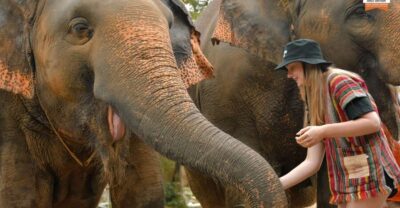
Elephant Jungle Sanctuary Ethical Feeding Experience
Read our review →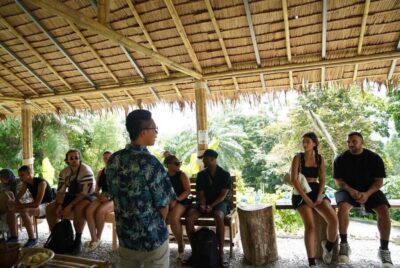
Elephant Sanctuary Guided Tour with Hotel Transfers
Read our review →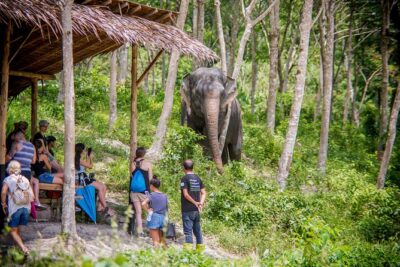
A Morning with the Elephants at Phuket Elephant Sanctuary
Read our review →
Elephant Experience with Lunch or Dinner and Pickup
Read our review →
Elephant Jungle Sanctuary Feed and Shower Trip
Read our review →
Beach walk with elephants, rain & care. 2.5 hours
Read our review →
Bukit Elephant Park Sanctuary Walk and Feed Tour
Read our review →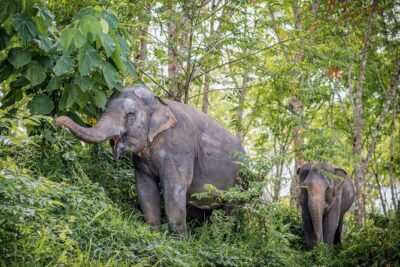
Browse the lists this tour appears in