
Reviewed · PHUKET ELEPHANT SANCTUARY TOURS
Phuket: Make & Meet The Gentle Giant Experience
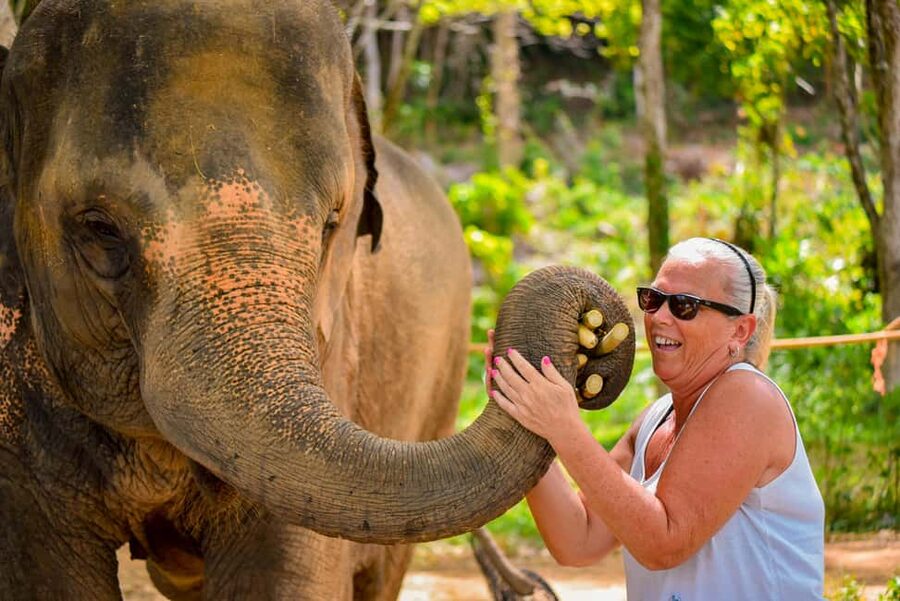
The most hands-on part of this Phuket elephant visit happens before you meet the animals. You mix sticky rice, bananas, tamarind, and a vitamin blend, then roll the mixture into vitamin balls for rescued elephants, especially older animals or those recovering from illness. After that, you feed them the treats and fresh fruit at Lily Elephant Camp.
I like two things here: you take part in a useful care task rather than simply watching, and the activity keeps the focus on feeding and gentle contact. The young staff members receive especially warm praise for their patient instruction and enthusiasm. The main thing to consider is that ocean bathing is not included, and you must arrange your own transport.
Key details before you book
- Vitamin balls made by hand: Mix sticky rice, bananas, tamarind, and a vitamin supplement before feeding the elephants.
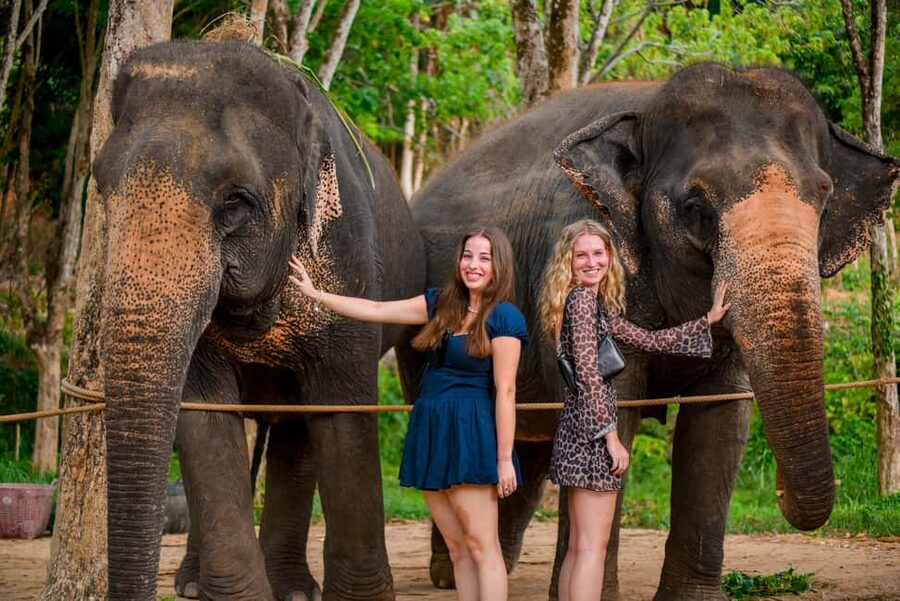
- Fresh fruit feeding: Give the elephants watermelon and bananas after preparing their nutritional treats.
- A 2.5-hour animal visit: The wildlife viewing portion takes about two and a half hours, with a listed 45-minute van segment in the schedule.
- A quiet-morning tip: One booking at around 9 a.m. found only two people present at feeding time, before the camp became busier.
- No ocean bathing: This is a food preparation and feeding program, not a bathing session.
- Useful inclusions: Food for the elephants, drinking water, tea, coffee, and snacks are provided.
What the vitamin ball activity is really about
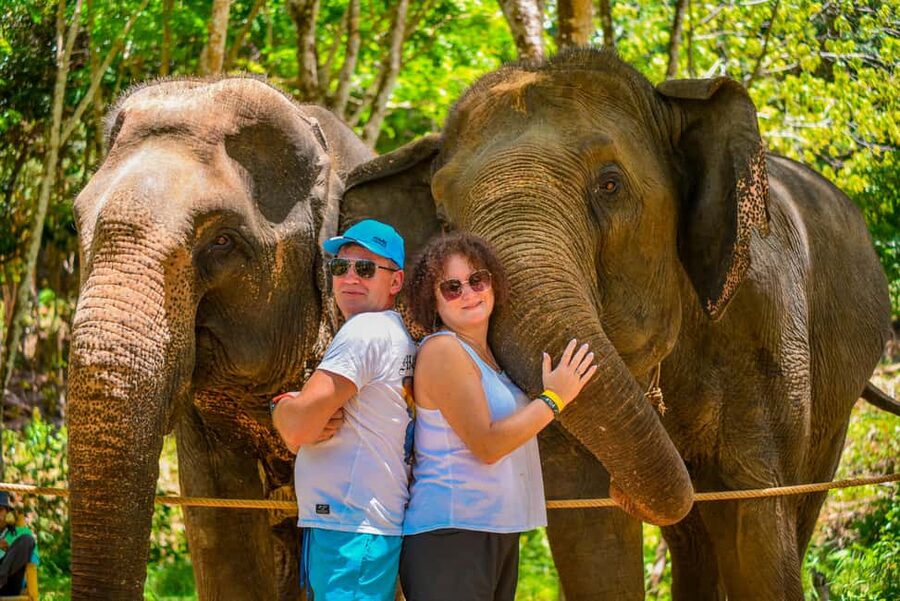
This is not just a quick photo stop with elephants. The central task is preparing a supplement that helps support the animals’ nutrition. You work with sticky rice, bananas, tamarind, and a vitamin mix, combining them into small balls that can be given to the elephants.
That detail gives the visit more purpose. You are not merely holding a piece of fruit over a trunk. You learn why an elderly or unwell elephant may need extra nutrition, then help prepare part of that food yourself. The task is simple enough for children and first-time visitors, but it still gives adults a clearer sense of the daily care involved.
The activity is also pleasantly tactile. Mixing and rolling the ingredients creates a small workshop before the animal encounter. You can expect instruction from the camp team, with support available in Chinese, English, and Thai. The supplied information does not list individual guide names, so you should not expect a named specialist assigned to your group.
More elephant sanctuary visits in Phuket:
- Phuket: Elephant Jungle Sanctuary Ethical Feeding Experience
★ 4.8 · 4,359 reviews - Phuket: Elephant Sanctuary Guided Tour with Hotel Transfers
★ 4.8 · 2,020 reviews - A Morning with the Elephants at Phuket Elephant Sanctuary
★ 5.0 · 1,693 reviews
Arriving at Lily Elephant Camp Phuket
The meeting point is Lily Elephant Camp Phuket. If you use Google Maps, search for Lily Elephant Camp, and arrive 15 minutes before your scheduled start time. That extra time matters because the location is the start of the activity, and you do not want to be searching for the entrance at the last moment.
There is an important transport point here: transport is not provided for this program. The schedule also shows a 45-minute van segment, but the booking information clearly says you must arrange your own transport. Treat the camp as a self-arrival activity unless the provider confirms something different directly.
The listed schedule begins at Lily Elephant Camp, includes a 45-minute van entry, and then returns to Lily Elephant Camp for about 2.5 hours of wildlife viewing. Since the transport wording is not fully clear, confirm the meeting arrangement before booking if you need a transfer from your hotel or another part of Phuket.
Once you arrive, the camp provides drinking water, tea, coffee, and snacks. You should still bring sunglasses, a sun hat, and sunscreen. Phuket sun can make a standing activity feel longer than it looks on paper.
Preparing food for rescued elephants
The preparation session is the heart of the visit. You learn about vitamin balls and why they matter, then mix the ingredients and roll them by hand. Sticky rice gives the mixture shape, while bananas and tamarind add food value and flavor. The vitamin mix is intended to help provide more complete nutrition.
The activity works well because it connects the lesson to a real action. You hear why supplements are used, then immediately make them. That is more memorable than receiving a short talk and moving on.
The camp uses the vitamin balls for rescued elephants, with particular importance for older animals and those that have been unwell. The information provided does not explain each elephant’s rescue story or medical background, so you should not expect a detailed biography for every animal. What you do get is a clear look at one part of their care routine.
This is also a good choice for families. The activity is open to all ages, and rolling the food is easy to understand. Young children may need help with the ingredients and feeding, but the program is designed around participation rather than a long technical presentation.
Feeding watermelon, bananas, and vitamin balls
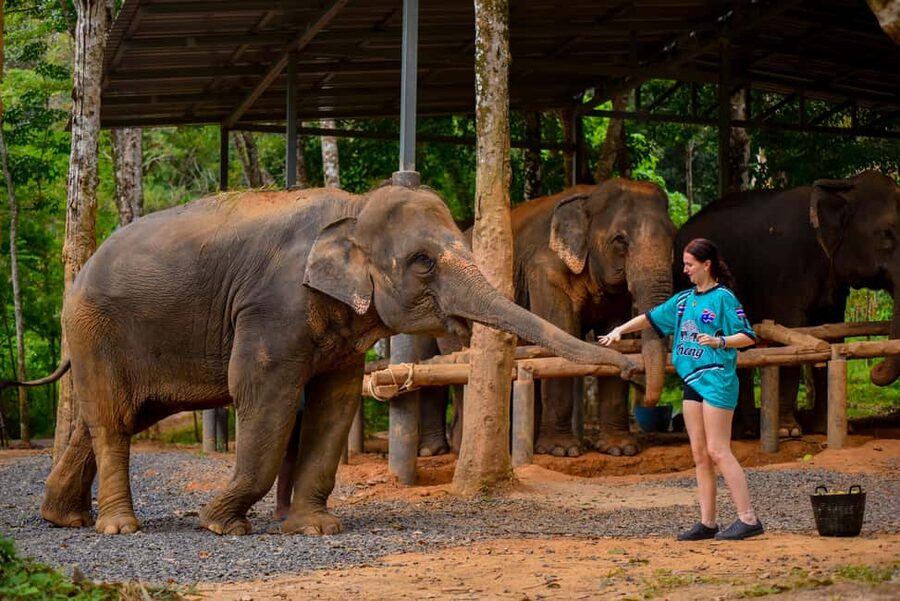
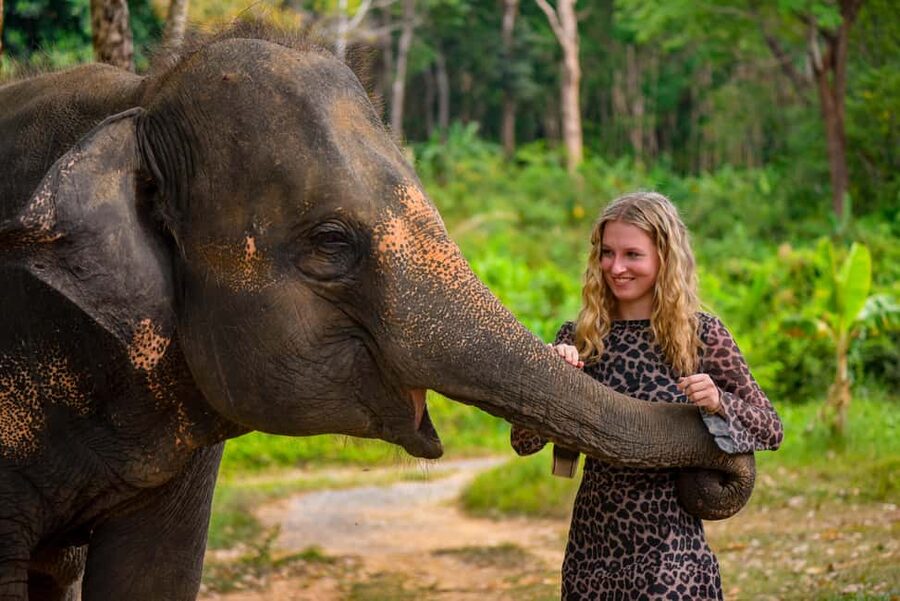
After the preparation, you take the finished vitamin balls to the elephants. Fresh fruit, including watermelon and bananas, is also provided. Feeding gives you a close view of the elephants’ trunks, eating habits, and calm manner without adding a bathing session to the program.
The feeding area is designated for this activity. That matters because it gives the encounter a clear structure. You prepare the food, approach the animals in the approved area, and follow staff instructions. The team also takes pictures and videos of the feeding and preparation, according to booking feedback, which can be useful if you want a record of the visit without constantly managing your own phone.
The young staff members receive some of the strongest praise. They are described as enthusiastic and passionate while helping visitors feed the elephants. That kind of practical guidance makes a difference. Elephants are large animals, and you will get more from the moment if you listen carefully rather than rushing to offer the next piece of fruit.
The camp’s stated focus is the health and well-being of rescued elephants. One booking described the animals as being kept in a suitable home, and the overall rating is 4.8 from 60 ratings. That is encouraging, though a high score cannot answer every question about animal care. If ethical treatment is your main reason for booking, use the visit to observe how the staff handle the elephants and how closely they control feeding.
A completely different kind of day out of Phuket:
- Phang Nga Bay Sea Cave Canoeing & James Bond Island by Big Boat
★ 5.0 · 4,666 reviews - From Phuket: Phang Nga Bay and Canoeing Tour by Big Boat
★ 4.7 · 3,528 reviews - Phi Phi Islands Adventure Day Trip w/ Seaview Lunch by V. Marine
★ 5.0 · 3,295 reviews - Phuket: Paradise Trip ATV Jungle Adventure
★ 4.8 · 3,250 reviews
How long the visit takes
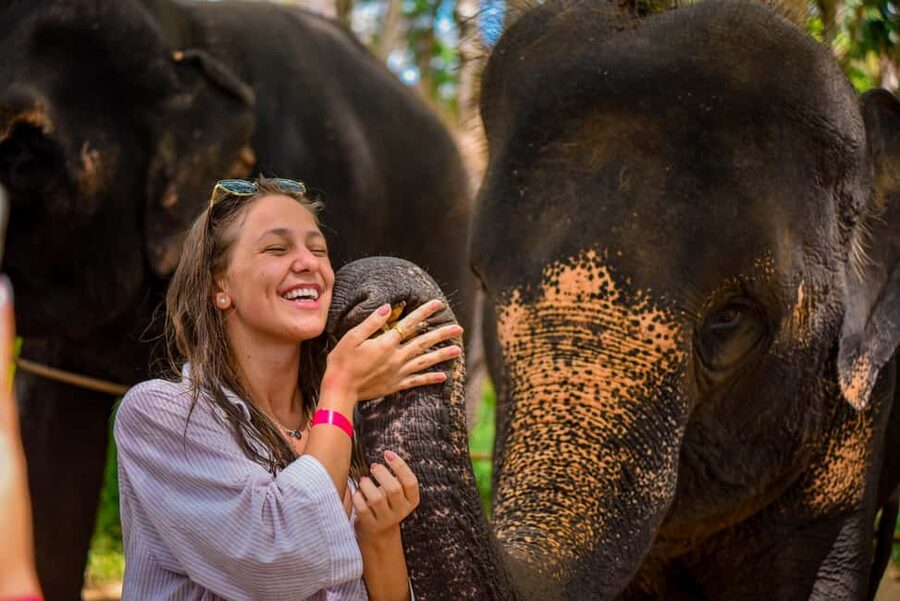
The wildlife viewing portion lasts about 2.5 hours. That is long enough to include the food preparation, explanations, feeding, and time around the elephants without turning the day into a full-day commitment.
The schedule also includes a 45-minute van segment. Because transport is not included, read this part carefully when planning your day. The information supplied does not explain whether that van ride is internal camp movement or a schedule detail that applies in certain arrangements. Ask the provider if the 45-minute segment affects your booking.
A useful timing tip comes from a booking at around 9 a.m. The visitor found only two people at the feeding session early in the day, with noticeably more people arriving later. Starting early may give you a calmer first feeding, though availability and crowd levels can change.
The program is listed as valid for one day, with starting times dependent on availability. Check the time shown for your date rather than assuming a morning departure.
What the $34 price includes
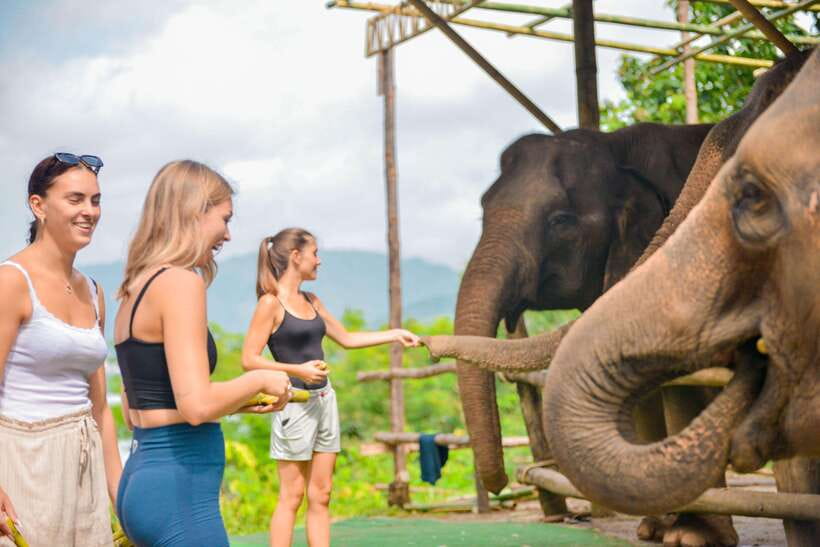
At $34 per person, the price is reasonable if you want an active elephant encounter rather than a short feeding line. You get the ingredient activity, elephant food, fresh fruit, drinks, tea, coffee, and snacks. The price also covers the chance to spend about 2.5 hours at the camp, not just a few minutes with the animals.
The value is strongest for people who care about the preparation itself. If you only want a quick photograph beside an elephant, you may not need a program built around making supplements. If you enjoy learning by doing, the vitamin ball activity gives the admission fee a clear purpose.
You should add your own transport costs when comparing this with other Phuket programs. Since no transport is provided, the $34 is not an all-in price from your hotel. The 45-minute van entry shown in the schedule makes it even more important to confirm exactly how you reach the camp and whether any local movement is required.
Drinks and snacks are a small but useful touch. You will be outside for much of the visit, and having water available is practical. Still, bring sun protection and do not rely on the included drinks as a substitute for planning your day in the heat.
Animal contact, comfort, and expectations
This program offers close feeding contact, but it is not described as a free-roaming encounter. You feed the elephants in a designated area and follow the camp team’s instructions. That structure should help you understand where to stand, how to present the food, and when to step back.
The activity is open to all ages and wheelchair accessible. Those details make it easier to consider for a mixed-age family or a group with different mobility needs. If you require special assistance, tell the team in advance. The information does not provide details about every surface, restroom, or transfer point, so specific accessibility questions are worth asking before arrival.
You should also set your expectations about the elephants. The program gives you a close look at feeding and nutrition, but it does not promise bathing, swimming, riding, or a long natural-history presentation. In fact, the ocean bathing session is specifically excluded. That is not a flaw if you want a focused food-and-care activity, but it matters if bathing was the main reason you started looking.
The most favorable descriptions focus on the elephants being gentle and well cared for, and on the staff helping visitors with patience. The less positive note concerns an older reception staff member who was described as unpleasant, while the young feeding team was praised. I would treat that as a minor service concern rather than a reason to dismiss the whole program, but it is fair to know that the welcome may not feel equally warm from every staff member.
Who will get the most from this visit
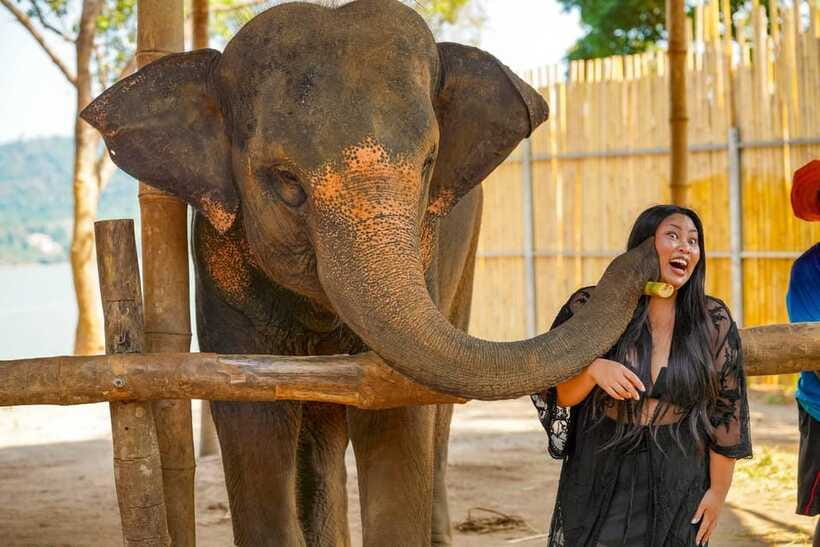
I would choose this program if you want a short, hands-on elephant activity with a clear care element. Families can take part in mixing and rolling the food, and the feeding portion gives children a concrete way to learn about nutrition and animal care.
It also suits visitors who want to avoid an elephant bathing session. Since bathing is not part of the program, you can focus on food preparation and feeding without booking a longer package.
The activity may be less suitable if you need hotel pickup, want a full-day excursion, or expect detailed information about every elephant. The camp provides guides in Chinese, English, and Thai, which is useful for multilingual groups, but individual guide names and specialist qualifications are not provided.
If you want the quietest possible visit, ask about an early start. A 9 a.m. session was relatively small at first, with more people arriving later. That is not a guarantee, but it is a sensible request when choosing among available times.
Booking, cancellation, and practical planning
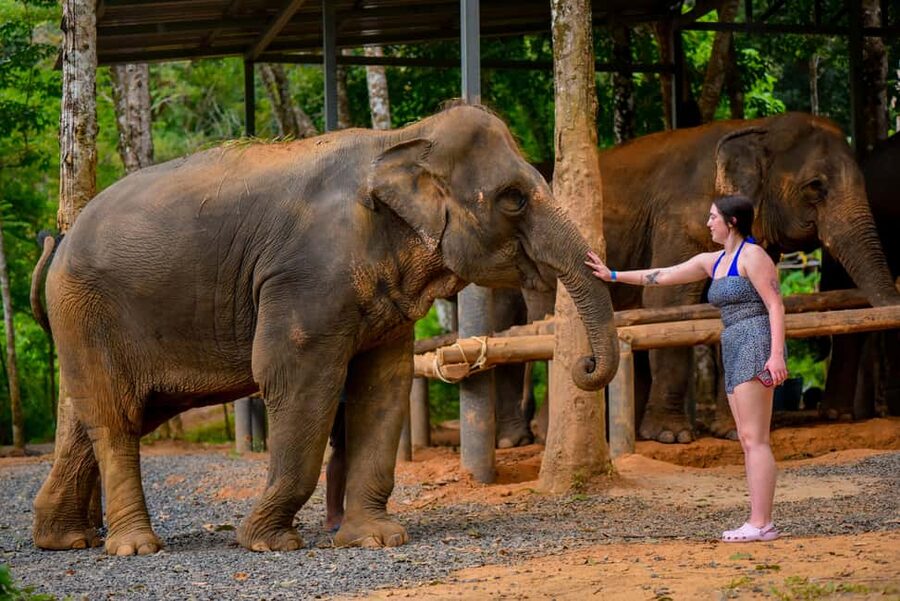
Arrive 15 minutes early at Lily Elephant Camp. Search for Lily Elephant Camp in Google Maps, and keep the camp name handy because the program does not include transport.
The free cancellation policy allows you to cancel up to 24 hours in advance for a full refund. You can also reserve now and pay later, which helps if your Phuket schedule is still shifting. Check the available start time for your chosen date because the program is valid for one day.
Wear clothing you are comfortable wearing outdoors. The official packing advice is simple: sunglasses, a sun hat, and sunscreen. The camp supplies food for the elephants, drinking water, tea, coffee, and snacks.
Take your time during the feeding. The best part is not how quickly you can hand over every fruit piece. Watch how the team positions you, listen to their instructions, and allow the elephants to set the pace.
Should you book the Lily Elephant Camp activity?
Book it if you want to make the food yourself, learn why vitamin supplements are used, and feed rescued elephants in a structured setting. The $34 price is fair for the hands-on preparation, fruit feeding, refreshments, and roughly 2.5 hours at the camp.
Skip it if hotel transport is essential, ocean bathing is a must, or you want a full-day Phuket tour with several stops. Confirm the confusing transport details before paying, and choose an early start if you prefer a smaller crowd.
For a simple, family-friendly elephant visit with a useful activity at its center, this is an appealing choice. The strongest points are the practical care lesson, the enthusiastic younger staff, and the chance to take part instead of only watching.
FAQ
Where does the elephant activity take place?
The activity takes place at Lily Elephant Camp Phuket. Search for Lily Elephant Camp on Google Maps.
How early should I arrive?
Arrive at the activity point 15 minutes before the scheduled start time.
Is transportation included?
No. Transportation is not provided for this program, so you must arrange your own way to Lily Elephant Camp.
How long does the wildlife viewing portion last?
The wildlife viewing portion lasts about 2.5 hours. The schedule also lists a 45-minute van segment, so confirm how that part applies to your booking.
What will I feed the elephants?
You will feed them vitamin balls made with sticky rice, bananas, tamarind, and a vitamin mix. Fresh watermelon and bananas are also provided.
Is elephant bathing included?
No. The activity includes vitamin preparation and feeding at the designated area, but it does not include the ocean bathing session.
What languages are available?
Live guides are available in Chinese, English, and Thai.
Can children and wheelchair users join?
The activity is open to all ages and is wheelchair accessible. If you need special assistance, inform the team in advance.
Newest Phuket trips reviewed
- Zipline 18 Platforms and ATV Adventure Tour From Phuket★ 4.5 · 20 reviews
- Zipline and ATV Skyline Adventure Phuket Include Pickup Transfer★ 5.0 · 11 reviews
- White Water Rafting with Monkey Cave Experience from Phuket★ 3.0 · 3 reviews
- Phuket: Wow Andaman Snorkeling Trip to Phi Phi & Bamboo Islands★ 4.5 · 15 reviews
- Phuket City Tour: Karon View, Big Buddha & Wat Chalong (SHA Plus)★ 3.5 · 3 reviews
- Phuket VIP Hype Luxury Boat Cruise with Party & DJ Vibes★ 3.5 · 3 reviews
- VIP Private Boat to Phi Phi Island: Snorkeling + Land Tour★ 5.0 · 9 reviews
- Try Scuba Diving★ 5.0 · 11 reviews
Phuket Elephant Sanctuary Tours, compared.
Elephant Jungle Sanctuary Ethical Feeding Experience
Read our review →
Elephant Sanctuary Guided Tour with Hotel Transfers
Read our review →
A Morning with the Elephants at Phuket Elephant Sanctuary
Read our review →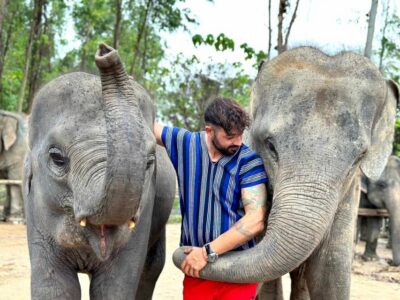
Elephant Experience with Lunch or Dinner and Pickup
Read our review →
Elephant Jungle Sanctuary Feed and Shower Trip
Read our review →
Beach walk with elephants, rain & care. 2.5 hours
Read our review →
Bukit Elephant Park Sanctuary Walk and Feed Tour
Read our review →
Browse the lists this tour appears in